

Birth & Death
By Colleen Dean, Contributing Writer
There is something poetic about Advent beginning during November, the month historically dedicated to remembering the dead. How fitting is it that Our Lord chooses to prepare us for new life in the midst of our greatest human sorrows?
The beauty of death is often overlooked in secular society. With the horrific glorification of abortion and euthanasia, it is no wonder that natural death frightens many who view their earthly life as the only meaningful part of their existence.
The sanctity of aging and death was brought to light most recently by the radical life of Pope Saint John Paul II. Known notably for his extensive writings on the Theology of the Body and for his championing of the Divine Mercy devotion, John Paul II was also vocally opposed to the “culture of death” that still plagues our world today.
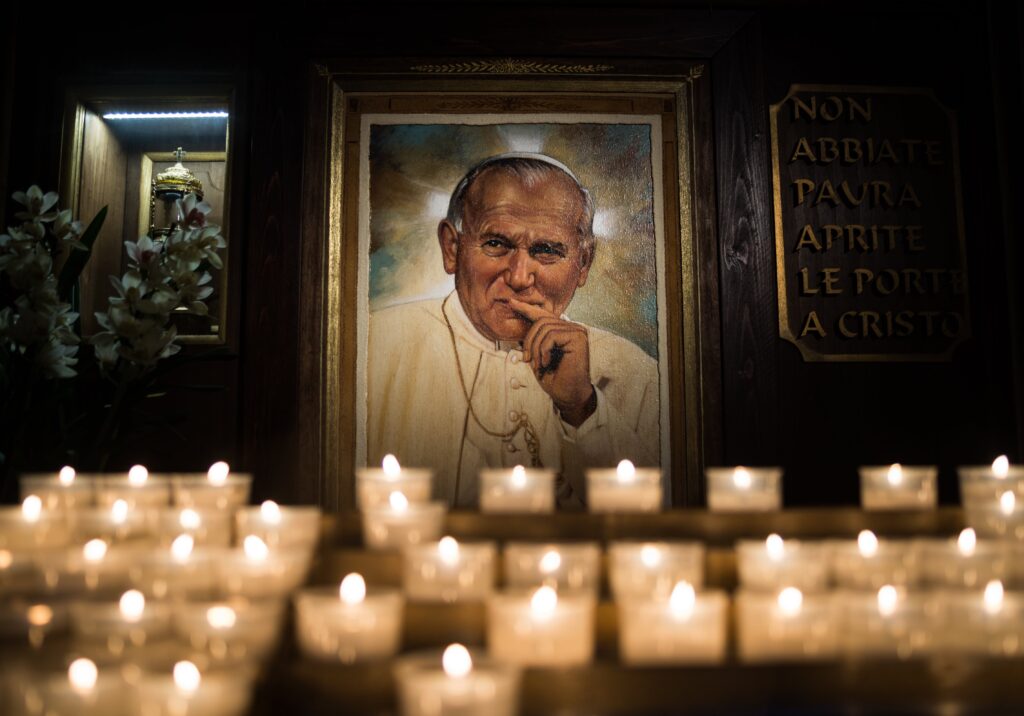
Rather than resign the papacy when he fell ill with Parkinson’s and other health issues, John Paul II chose to suffer publicly, so that the Church could view physical ailments not as something to hide or eradicate, but to glory in, as God redeems our earthly suffering with eternal rewards. His frailty became a homily of its own, proclaiming without words that weakness or vulnerability is not the absence of dignity.
Precisely in an age when the inviolable rights of the person are solemnly proclaimed and the value of life is publicly affirmed, the very right to life is being denied or trampled upon, especially at the more significant moments of existence: the moment of birth and the moment of death.
Pope John Paul II, Evangelium vitae, 11
John Paul II used his papal office to advocate for the dignity of every human life, from conception until natural death. It is a witness that feels especially urgent as November turns our attention to those who have passed on before us.
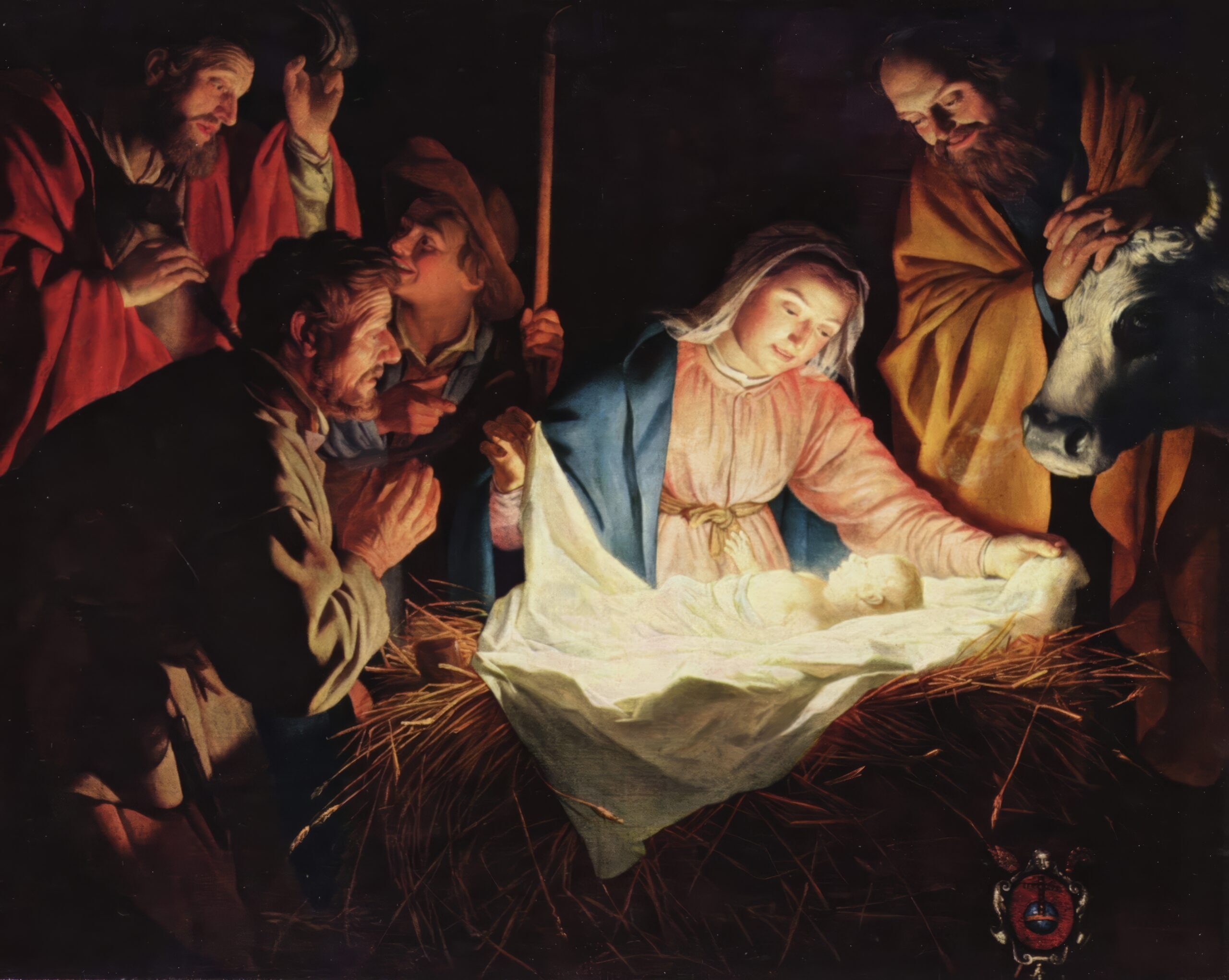
During the month of November, we honor our dead and pray most especially for the souls in purgatory. Yet it is also this month that we begin the season of Advent, the preparation for the birth of Our Lord and the new liturgical year as a Church. We celebrate the birth of Christ and a new year alongside the mourning of those we have lost. The brevity of our earthly lives cannot be overstated at this moment, as many people grapple with the duality of celebrating a life lived fully on earth while simultaneously wanting for something more, something greater.
This is not a new phenomenon. For generations, theologians have discussed the idea that we die as we live, born to a finite, earthly body that only God can gloriously raise on the last day and reunite with our eternal souls.
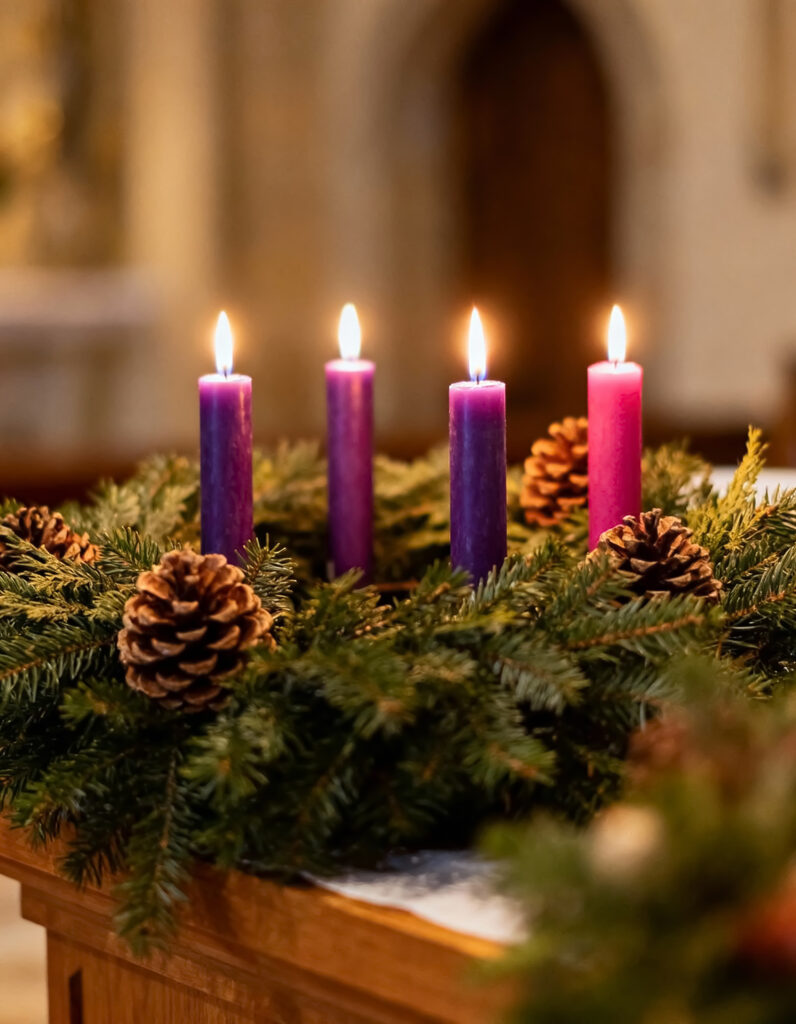
This spirit of preparation aligns perfectly with the season of Advent we are about to enter. We are called to live the next few weeks in preparation to meet the Christ Child, and pursue ongoing conversion and self-reflection, so that we might be ready to meet Him in the manger on Christmas Day. Advent is, after all, a penitential season: a time to quiet the noise, examine our consciences, and prepare our hearts before the King arrives.
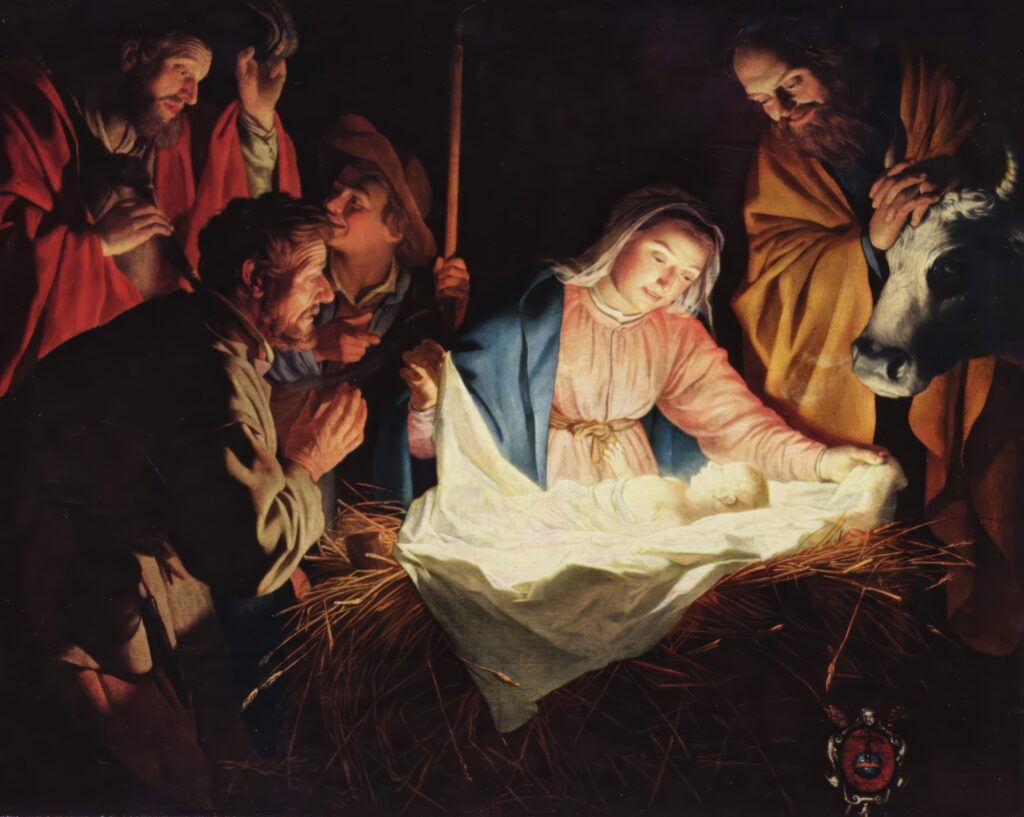
A homily I once heard by Father Luke Clark, OP, discussed visitors to the manger: namely, an old woman who brought Jesus a single apple, and was meant to represent Eve coming to pay homage to the New Adam, the one who would save the world from her sin. Imagine her kneeling before a newborn who would undo what her own hand had done. The fruit that once brought death into the world is laid at the feet of the One who would conquer it.
This perspective as we approach Christmas, one of penitence and inward self-reflection, helps us to orient our hearts towards the birth of Christ not as the beginning, but as the greatest means to an end. We are not simply celebrating the start of Christ’s earthly ministry. We are celebrating His eventual triumph over sin and death as we once knew it. The manger points to the Cross, and the Cross, in turn, points to the empty tomb.
Because of Jesus, death no longer holds any power over us, and our souls live eternally in the Beatific Vision and complete unity with Him.
And I heard a loud voice from the throne saying, “Behold, the dwelling place of God is with man. He will dwell with them, and they will be his people, and God himself will be with them as their God.”
Revelation 21:3
This does not mean we do not grieve. Christ Himself wept at the tomb of Lazarus. But we grieve as people with hope for what we know is to come.
God calls us to Himself through our deaths. So why should we not rejoice? The end of our earthly life marks the passage to eternal happiness, and, thanks to the Nativity, a unity with God we could never have dreamed of.
May this Advent season draw our hearts and minds not only inward in preparation to encounter the Christ Child, but also outward and upward, to those in our lives who are near to death or have gone on before us, that we may be steadfast in our faith and ready to meet Him when our time comes.
Eternal rest grant unto them, O Lord, and let perpetual light shine upon them. May their souls and all the souls of the faithful departed, through the mercy of God, rest in peace. Amen.
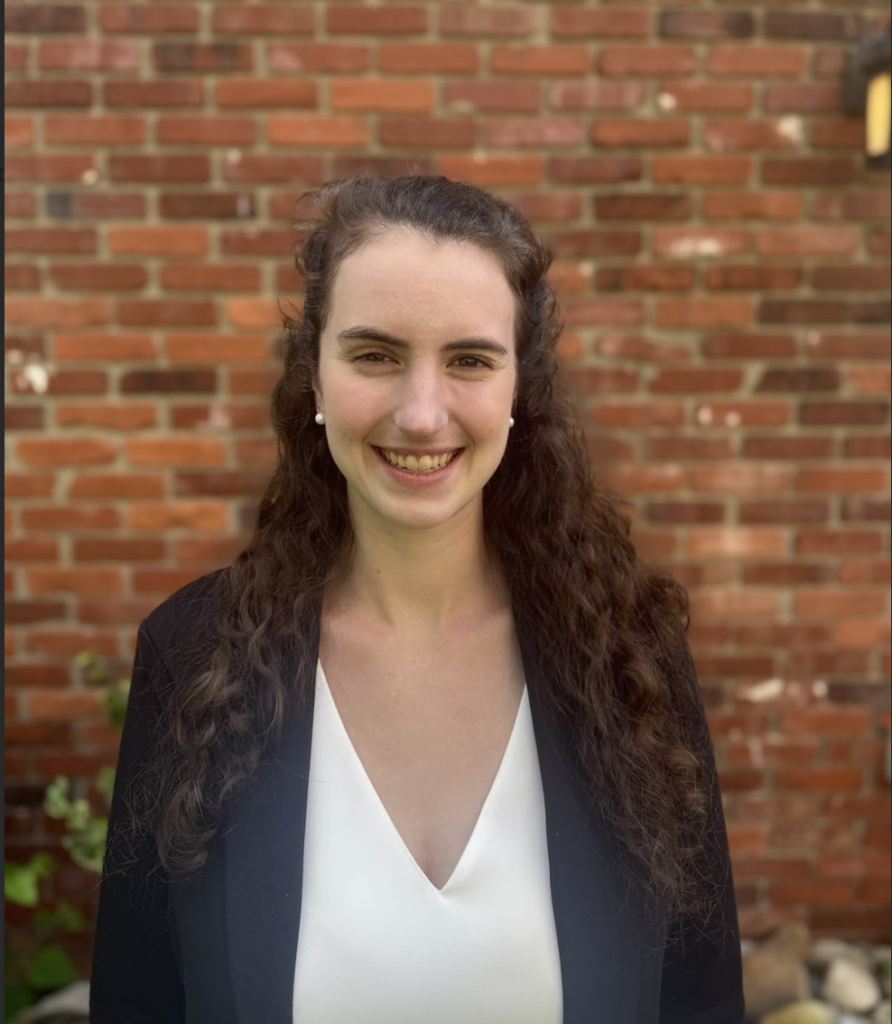
Colleen Dean is passionate about evangelizing secular culture through the written word. She holds a bachelor’s degree in Political Science and a master’s degree in Catholic Studies from Franciscan University of Steubenville. Her work has been published in The Washington Examiner, The College Fix, and Lone Conservative.
Colleen lives in Ohio with her husband and son. In her free time, she enjoys exploring nature and spending time with her family.
Leave a Reply


access for free →
These professionally crafted, spiritually-inspired templates will help you create scroll-stopping posts in minutes. Skip the design struggle and share your message beautifully. Customize in Canva, post and get noticed. And yes, it's totally okay to swipe these!