
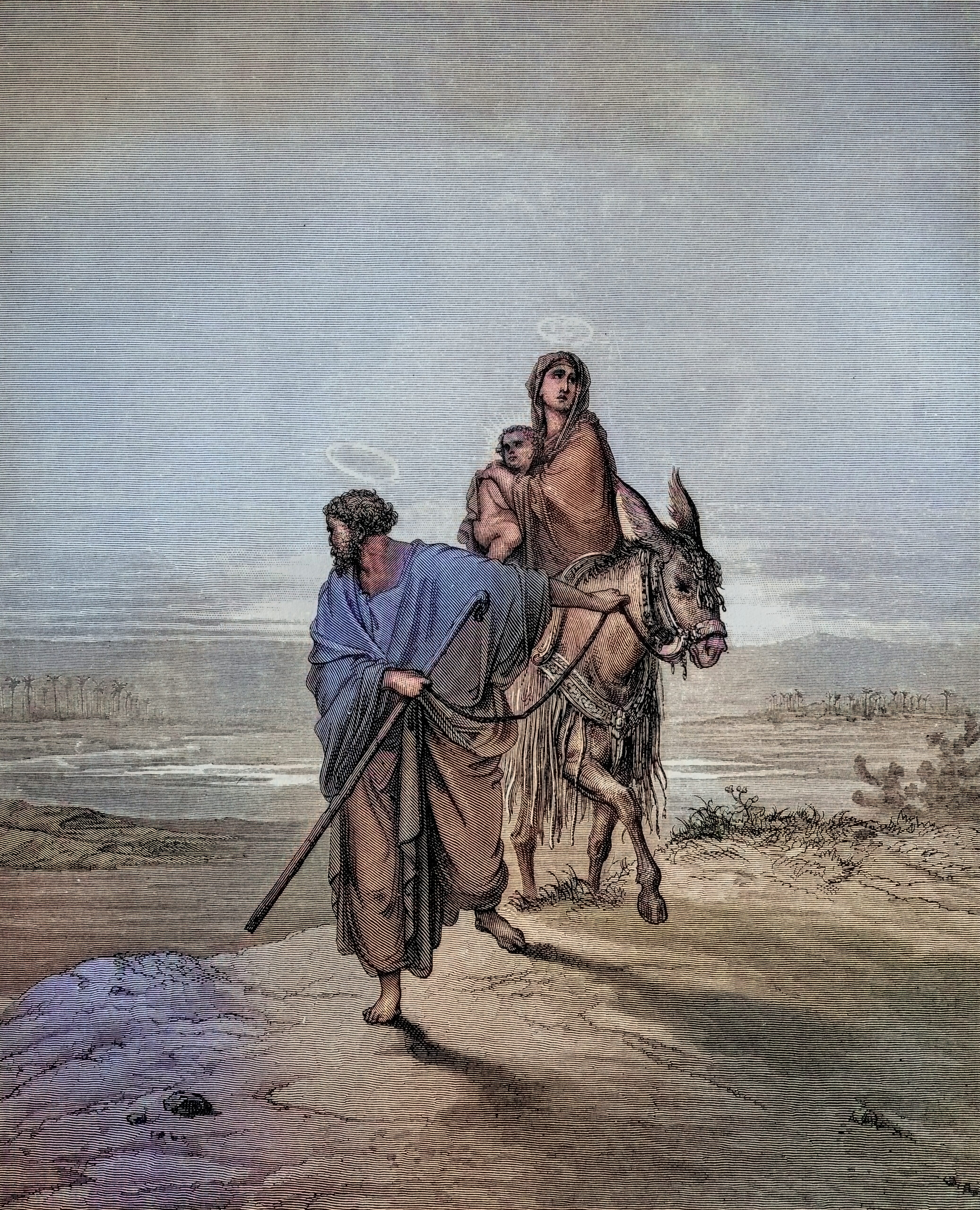

In the Company of Joseph
By Elizabeth Hamonko, Contributing Writer
Of all of the Church’s saints to look to in times of need, none are as intriguing to me as Saint Joseph.
It’s not as if he’s an obscure saint. Christians around the world are fully aware of the huge role he played in salvation history. After all, during Advent and into the Christmas season, there are tons of images of him up in stores and homes standing right next to Mary and the newborn baby Jesus.
Even so, with the few sentences we get describing him in the Bible, it may feel tough to get a full understanding of him as a figure to look up to. Unlike saints who lived in more recent times, we only have a handful of details about his life that we know for certain happened. This means we’re left to guess about the exact way he would react in some situations.
However, this also leads to a more important idea: What we don’t know about him is only a small part of what we’re meant to take away from his life on Earth and his continued intercession in Heaven.
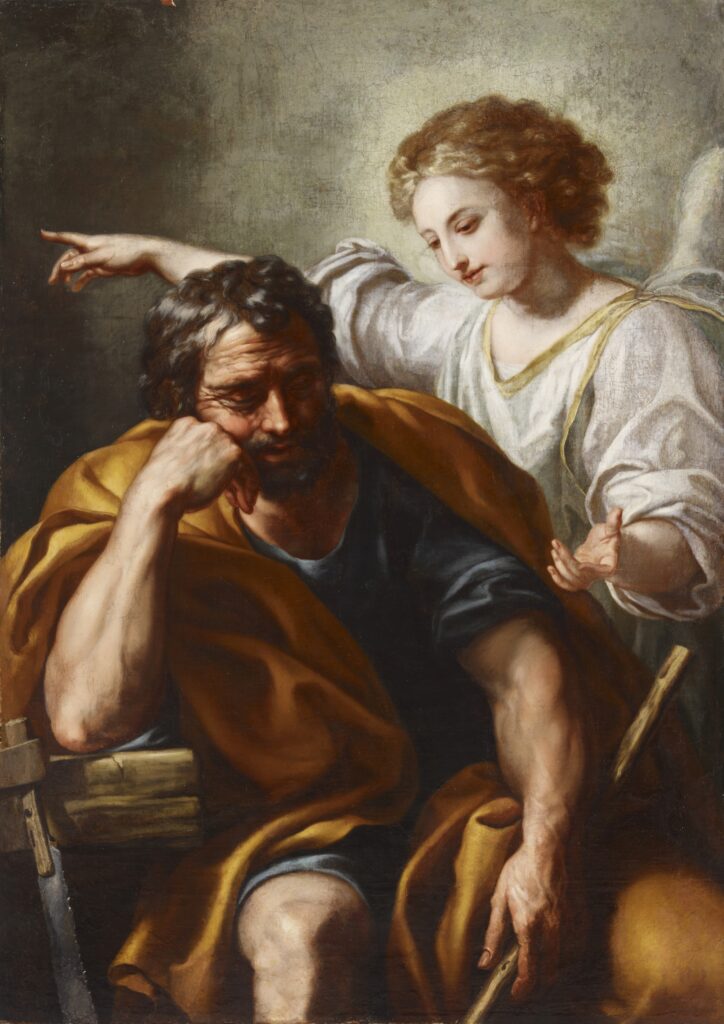
1773-1774
The Eternal Connections Between Old and New
I remember being shocked (in a good way!) upon learning how many connections there were between the Old Testament Joseph and New Testament Joseph. Even after years of listening to the readings in church, it still struck me as fascinating that there were parallels between the two.
In fact, the common phrase associated with Saint Joseph, Ite ad Joseph, actually came from the Old Testament, and it originally refers to a verse about Joseph, son of Jacob. When there was a famine in Egypt, the Pharaoh told the people to “go to Joseph” about their worries and follow what he said. Today, it’s more typically used to encourage people to pray to Saint Joseph from the New Testament.
Both Josephs also traveled into Egypt, despite not originally intending to. Both faced problems in their lives that they couldn’t fully solve themselves, and chose to trust in God even when in doubt and confusion. Just as there are many connections between the two Josephs, there are, similarly, many ways to connect what Saint Joseph went through to our own lives.
An Ageless Connection
There is sometimes a debate about whether Joseph was an older or younger man when we first read about him. Some people prefer to view him as a respectable elderly man who dedicated his later years to protecting Mary and Jesus.
Meanwhile, others find strength in imagining him as a young adult who may have been older than Mary but still youthful. He still would have to face struggles such as having to uproot his life and move to a new place with his pregnant wife without much warning.
Neither one is explicitly right or wrong when it comes to historical accuracy—mostly due to a lack of any canonical Scriptures from the time of Christ’s birth on that topic—although it is worth noting that the depictions of him as an older man are ones passed down from ancient times and the Protoevangelium of James. Most depictions of him as a man in his twenties or slightly older come from more recent eras. However, the idea of people of all ages being able to relate to him remains.
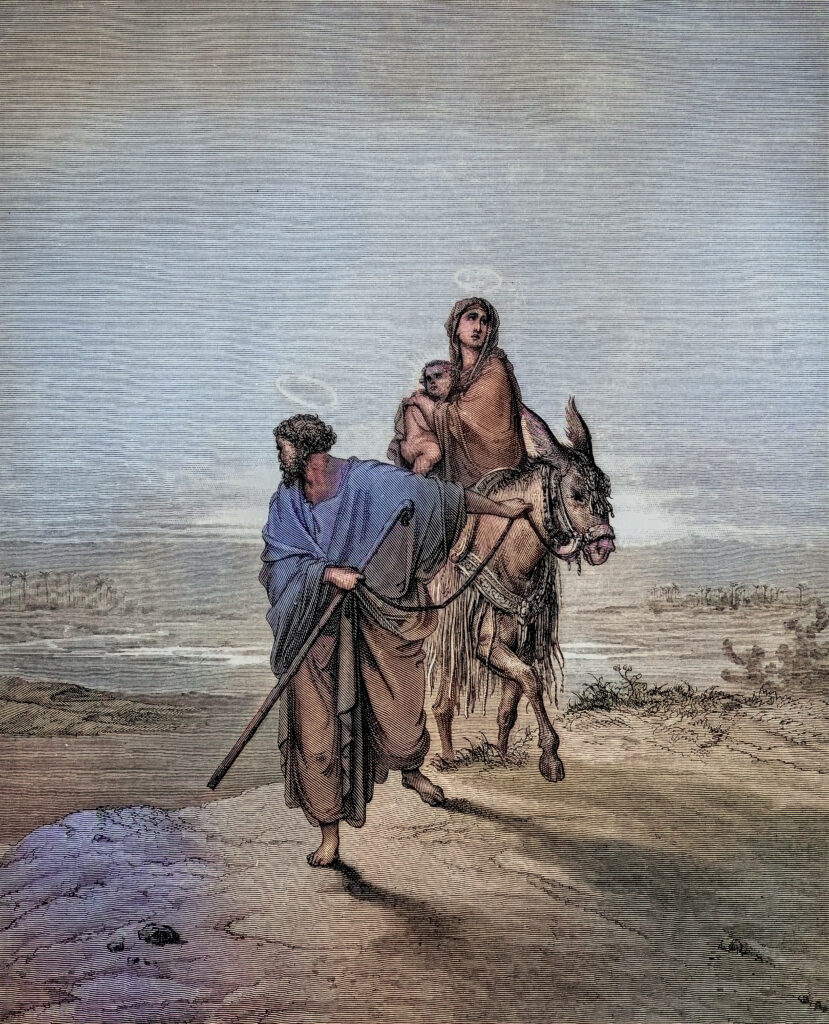
1886
The Dignity of Everyday Life
It is also interesting to note that Saint Joseph is historically regarded as the patron saint of both workers and a happy death. The first title has received more attention in the previous few decades. In 1955, the Church officially declared the Feast of Saint Joseph the Worker should be celebrated on May 1 each year, partly to help remind believers of the Christian idea of work as the secular celebration of May Day began to become more popular.
All of these ideas surrounding the saint lend themselves to making Joseph an individual that nearly everyone can relate to in some way. Whether we’re dealing with physical and mental issues related to old age or the pressure of making huge decisions as a young adult, or even if we face new challenges in work or at home, we can trace some part of our lives back to what Joseph went through.
The Heart of a Father
In 2020, the Church celebrated the 150th anniversary of Saint Joseph being given the title of Patron Saint of the Universal Church by Pope Pius IX. As part of this year-long celebration, Pope Francis wrote and released an apostolic letter titled Patris Corde about Joseph, which roughly translates to “Heart of a Father.” This title referred to how Joseph cares for the child Jesus.
In it, the Holy Father wrote very lovingly about a topic not often discussed: who Saint Joseph is and what he should mean to us as individuals living, working, and experiencing our lives in the everyday crowd of billions of people.
For most people, although we feel needed on an interpersonal level, it may be hard to discern what our impact is on a larger level. Do our prayers and words to others matter? How should we deal with an overwhelming world that seems to constantly demand more from us? What exactly is changed because we’re in the world?
Pope Francis makes note of this connection between our ordinary lives and Joseph’s near the start of the document. A few paragraphs in, he mentions that “each of us can discover in Joseph—the man who goes unnoticed, a daily, discreet and hidden presence—an intercessor, a support and a guide in times of trouble.”
As he states a few paragraphs down, sometimes we may assume that God only works in the good parts of ourselves or when everything seems to be going right. It’s much harder to imagine Him being able to draw goodness out of a dumb mistake we made in the past or an ongoing issue that we can’t quite seem to fix. When we look at Saint Joseph, we have a powerful example of how the world may miss all the ways that God’s plan came to fruition when it seemed to human eyes to be falling apart.
A Righteous Man
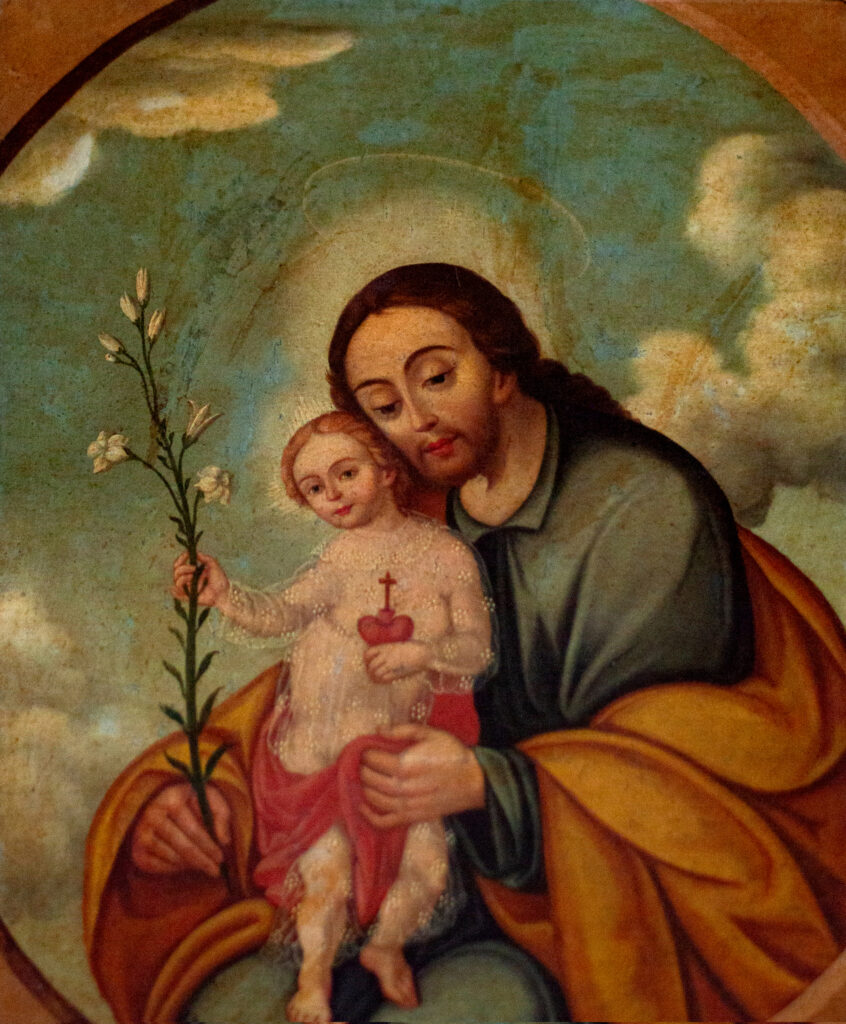
Having to flee from your home while in danger and eventually being unable to find a room when your wife gives birth would make anyone stressed. All of this comes after hearing instructions on what to do next from an angel in a dream. It’s hard to overstate how much courage and trust Saint Joseph would have to have to persevere through this! He only knew one step in the plan at a time, and he had a heavy weight on his shoulders: taking care of the Blessed Mother and the Son of God.
However, we know from Scripture that Saint Joseph was a “righteous man” (Matthew 1:19). This description may seem short at first for one of the most key saints in the Church, but in the end, it is really all we need to know about Saint Joseph. When we face our own problems in life, we need to make sure to keep our eyes on Joseph, who struggled and succeeded in the most crucial moments of his life because of his trust in and love for God.
All of us, too, can hear how Saint Joseph speaks in silence, even when we don’t know exactly what to do next.

Due to a lifelong love for books and stories, Elizabeth Hamonko enjoys combining her passion for her faith with her enjoyment of writing. Together with a BS in Marketing and a BS in Management, her experience in freelance copywriting allows her to craft articles about anything from e-commerce to her Catholic faith. When she isn’t writing, she loves to run, attempt to bake, pray the Divine Mercy chaplet, and try all different kinds of coffee.
Leave a Reply


access for free →
These professionally crafted, spiritually-inspired templates will help you create scroll-stopping posts in minutes. Skip the design struggle and share your message beautifully. Customize in Canva, post and get noticed. And yes, it's totally okay to swipe these!